Follow Sikh Siyasat News at

South Asia

The discussion explores the historical roots of the conflict, examining who initiated the confrontation and the broader strategic context behind it. It also analyzes the geopolitical and economic interests that shape the policies of global powers in West Asia.
In an era marked by rising global instability and emerging war scenarios, what does the future hold for the Sikh community? How do escalating tensions between India–Pakistan, India–China, and US–China shape the geopolitical landscape of South Asia — and where does Punjab stand in this evolving equation?
As regional tensions and the South Asian arms race escalate following the May 2025 India-Pakistan air conflict, New Delhi is set to formalise the procurement of Russia's Sukhoi-57. The IAF has chosen the Russian jet over the American F-35 as a critical stopgap to counter growing Chinese and Pakistani stealth capabilities, citing concerns over strict US operational restrictions.
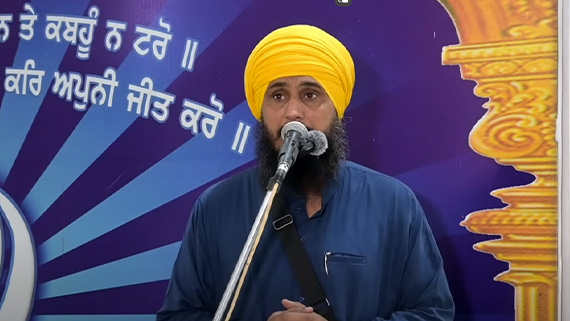
During a conference held on Saturday, December 6, 2025,at the University of Windsor's Lumley Centre for Engineering Innovation (CEI) various prominent Sikh speakers shared their views. This conference honored the profound martyrdom of the Ninth Sikh Guru, Sri Guru Tegh Bahadur Sahib Ji and emphasized values of freedom and human dignity.
This talk explores both challenges and opportunities for the Sikh Panth in today’s changing world — politically, economically, and strategically. A must-watch for anyone concerned with the future of Sikhs, Punjab’s security, and the global Sikh voice in international affairs.
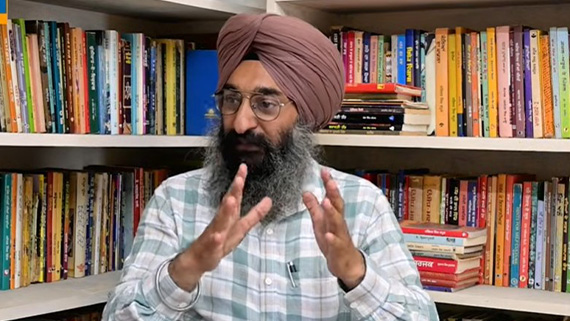
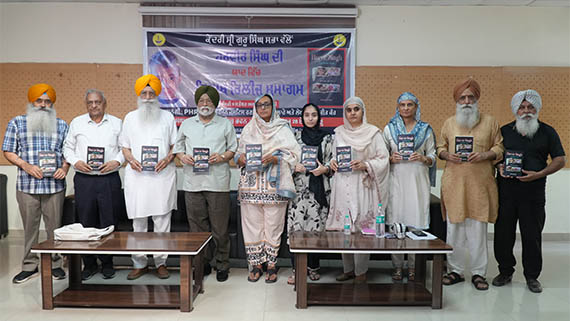
Journalist Mandeep Singh spoke with Kanwarjit Singh Sidhu about his book, discussing key historical events — both before and after the 1947 Partition — that shaped the destinies of Punjab, the Sikhs, India, and Pakistan.
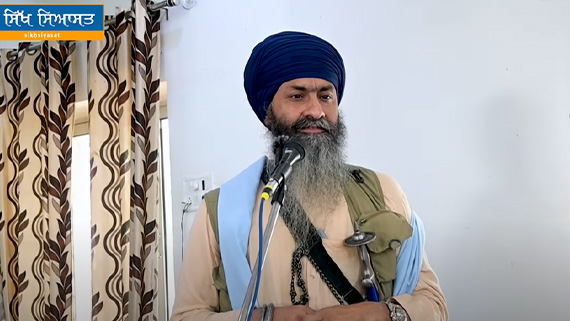
A Gurmat Samagam was held on 3 June 2025 at Gurdwara Sahib, Village Bhamme Kalan, District Mansa, Punjab. Speaking during this samagam Bhai Mandhir Singh shared his views on the changing global and regional landscapes, including shifts in international politics, geopolitics, and regional stability.
In light of the rapidly evolving geopolitical landscape in South Asia—particularly the shifting security architecture between India and Pakistan, and China’s strategic backing of Pakistan in its recent military standoff with India—the Sikh community must critically reassess its position within the broader geostrategic framework of Punjab and India. These developments carry profound implications for Punjab, as seen in the recent aerial clashes between Indian and Pakistani forces, which effectively turned Punjab into a live testing ground for advanced military technologies and real-time combat operations.
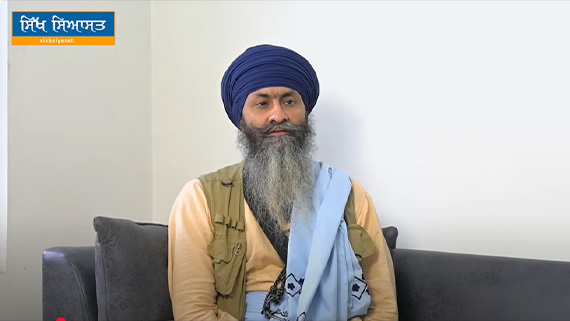
On June 2, 2025, a Samagam was held in memory of Bhai Charanjit Singh Talwandi. Speaking at the event, Sikh Siyasat editor Parmjeet Singh Gazi addressed the rapidly changing geopolitical situation in South Asia, particularly the evolving security dynamics between India and Pakistan
The situation in South Asia is evolving rapidly, especially in light of the changing security dynamics between India and Pakistan. On June 1, the Punjab unit of the Bharatiya Janata Party (BJP) paid tribute to the Sikh martyrs of the Teeja Ghallughara, a gesture that starkly contrasted with the BJP’s earlier stance on this historical tragedy.

Like Our Facebook Page:

Podcast

Advertisement

Latest Five

Advertisement

Latest News & Updates

Advertisement

Latest Sikh News & Updates

Advertisement

General News & Update