Chandigarh, October 31: Various social, farmers’, human rights and public-interest organisations held a joint press conference at the Chandigarh Press Club on October 31 to protest against the arrests of Lakha Sidhana and Mohanjeet Singh Sheron in Punjab.
Justice (Retired) Ranjit Singh of the Punjab and Haryana High Court expressed concern over the arrests and police action. He said that the alleged registration of false cases against those raising their voices for justice and human rights raises serious questions concerning constitutional rights and democratic values.
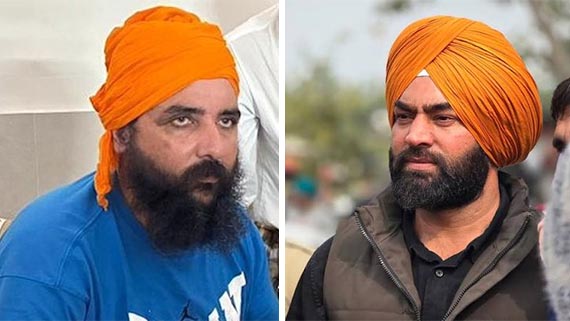
Sardar Ajaypal Singh Brar, president of the Misl Satluj Party, said that the arrests of Lakha Sidhana and Mohanjeet Singh Sheron would not suppress the voice of the Mansa Morcha. He announced that Misl Satluj, along with all other organisations involved in the struggle, would participate wholeheartedly in every call given by the Morcha. He said that if the organisations had earlier been contributing 100 per cent to the Morcha, they would now work with 110 to 120 per cent commitment to strengthen it further.
Representatives of the International Human Rights Organisation, Sanjha Morcha Zira, Sri Chamkaur Sahib Morcha, Misl Satluj Party, Kale Pani Da Morcha, Team Lakha Sidhana and Public Action Committee Mattewara participated in the joint press conference.
The main speakers appealed to Punjabis to stand firmly with Lakha Sidhana, Mohanjeet Singh Sheron, Akashdeep Singh Phool, Parminder Singh Jhota and their families, and extend maximum support to the Mansa Morcha. They said that this struggle was not about any one individual but concerned the future of Punjab’s youth and coming generations. They added that if Punjabis did not stand with those raising their voices against drugs and injustice today, the crisis could reach their own homes tomorrow. They said unity among Punjabis was the need of the hour to save Punjab.

Retired Justice Ranjit Singh said that showing a black flag to the government, raising questions on public issues or demanding justice for an affected family were democratic rights of every individual. Instead of using police force or registering cases to silence such voices, every incident should be investigated impartially.
He said that Lakha Sidhana had previously raised his voice against alleged injustices faced by people. He had also struggled for justice for the family of Ranjit Singh, a young man who died in an alleged fake police encounter in Gurdaspur, and played a role in getting the report related to the case made public.
Referring to the murder of Parminder Singh Jhota, Justice Ranjit Singh said that all aspects of the case should be investigated thoroughly. He also called for an investigation into possible links with the earlier murder of a drug inspector in Kharar and demanded that the truth be brought to light through a CBI investigation. Raising questions over the FIR registered against Lakha Sidhana, he said that when a social activist stands in support of an affected family, the sequence of events should be investigated impartially rather than taking action against the activist.

He also expressed concern over a minor being taken into police custody and the family allegedly not being informed about his whereabouts. He said that the Juvenile Justice Act provides specific legal procedures and protective measures for minors, which must be followed under all circumstances. He added that alongside the government’s claims of a war against drugs, ensuring the safety of social activists raising their voices against drugs was also the government’s responsibility. In a democracy, criticising the government and standing up for the rights of affected people are constitutional rights of citizens.
Ajaypal Singh Brar said that the arrests of Lakha Sidhana and Mohanjeet Singh Sheron, along with the police action, raised serious questions concerning human rights and legal procedures. He said that Punjab had already suffered through periods of alleged false cases and police repression and should not be pushed towards such an atmosphere again.
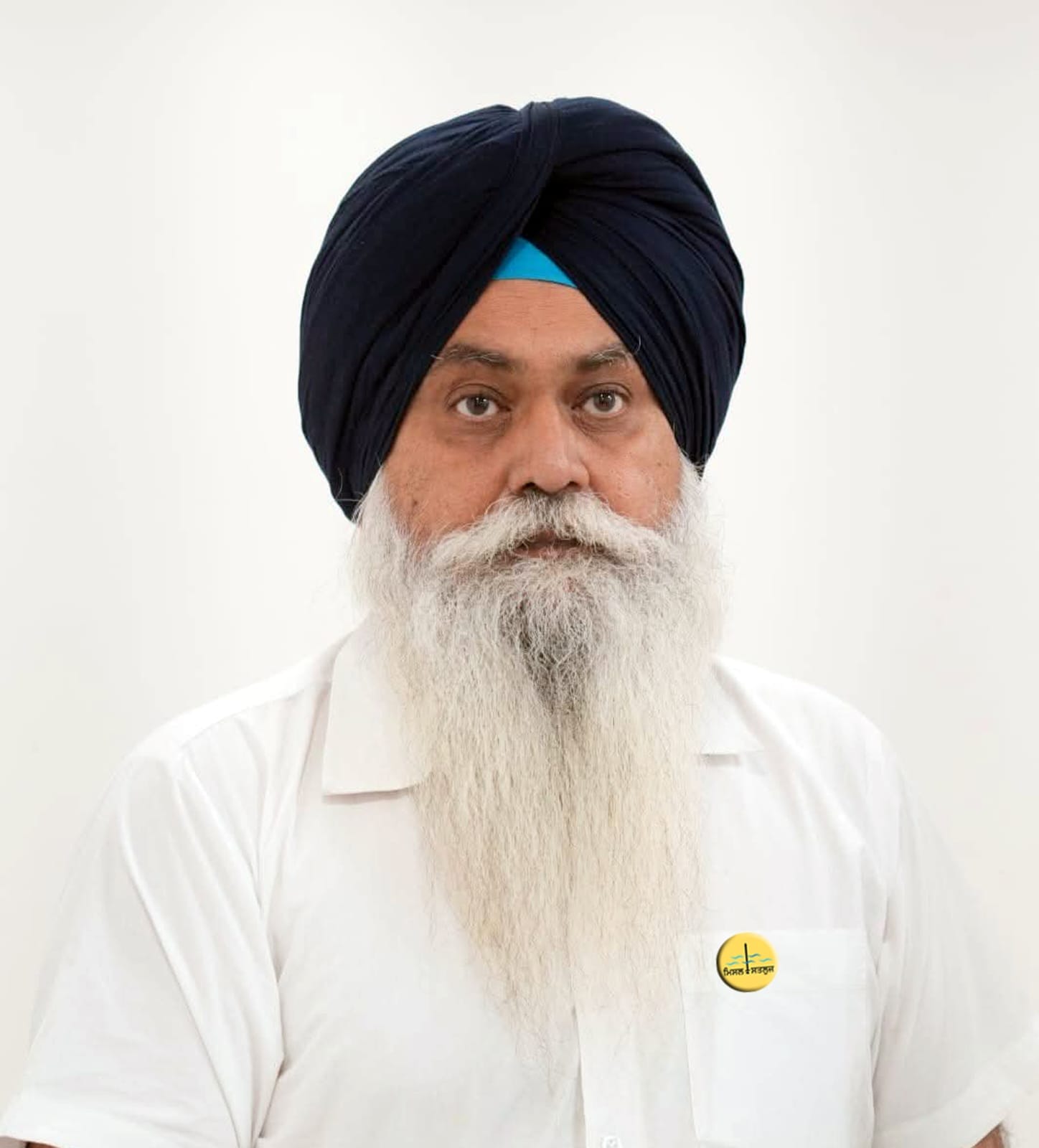
He informed that a delegation of organisations involved in the struggle would soon meet the Governor of Punjab and submit a memorandum. The delegation would demand the release of both leaders, an impartial investigation into the registered cases and the cancellation of cases found to be baseless. It would also seek an independent investigation into the role of police officials involved in the action and any possible political interference. He clarified that there would be no change in the call already given for November 5.
Bibi Harbans Kaur, mother of Lakha Sidhana, expressed concern over the Punjab government’s withdrawal of security cover provided to her family and demanded its restoration. She said that there were young children and elderly members in the family, due to which leaving the house and sending children to school had also become a matter of concern under the prevailing circumstances. Appealing to the people of Punjab to stand with the family during this difficult time, she said that Lakha Sidhana had consistently raised his voice for the rights of Punjab and Punjabis.
Roman Brar, who came from Zira, referred to the death of Daljit Singh, a young man from Bhama Kalan, due to a drug overdose. He said that following the incident, the family and villagers had decided to take the deceased’s body to the Mansa Morcha. The purpose was to draw the government’s attention towards the drug problem and demand justice.
He demanded that the police provide transparent information about the arrested individuals and ensure that they were given the legal facility to contact their families and lawyers. He also sought answers from the government regarding deaths caused by drugs, the monitoring of medicine shops and the number of drug inspectors in Punjab.
Roman Brar appealed to Punjabis to stand with Lakha Sidhana, Mohanjeet Singh Sheron, Akashdeep Singh Phool, Parminder Singh Jhota and their families. He said that the issue was not limited to any one individual but was connected with the future of Punjab’s youth and coming generations. He reiterated that if Punjabis did not stand with those raising their voices against drugs and injustice today, the crisis could reach their own homes tomorrow.
Amandeep Singh Bains, Kuldeep Singh Khera, Amarinder Singh Tur, Harjit Singh Khizrabad, Karnveer Singh Dhindsa, Satnam Singh and Bhinda were also present on the occasion, along with other leaders.